

Recreational Learning for Wellbeing (RLW)
🌿 Nurturing Minds, Restoring Hope
Life Restoration is a Non-Governmental Organization (NGO) dedicated to promoting and protecting the mental health and emotional wellbeing of vulnerable children and adolescents in Tanzania. Our work recognizes that poor mental wellbeing does not occur in isolation; it is deeply shaped by injustices and inequalities that limit access to education, safety, opportunity, and support. We believe that every young person deserves the opportunity to grow up resilient, confident, and supported.
⚠️ The Core Challenge
Life Restoration focuses on one core problem—poor mental wellbeing and limited emotional resilience among vulnerable children and adolescents-driven by four interconnected factors:
- 🤐
Stigma & Silence: stigma and silence around mental health. - 🛑
Lack of Safe Spaces: lack of safe, friendly spaces for expression and care. - 🧩
Skills Gaps: gaps in essential life skills. - ⚖️
Structural Injustices: including poverty, exclusion from education, and unsafe environments.
By addressing these interconnected drivers, we respond to both the symptoms and the root causes of mental health challenges.
Our Flagship Approach & Pillars
Recreational Learning for Wellbeing (RLW)
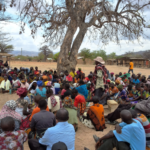
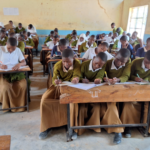
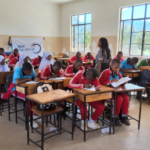
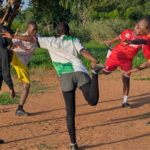
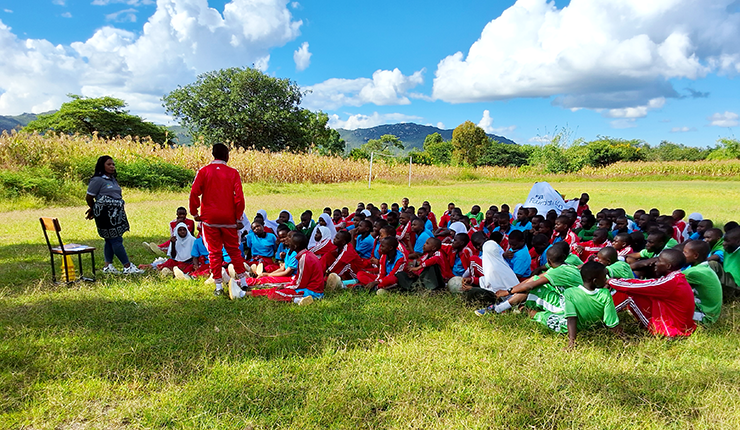
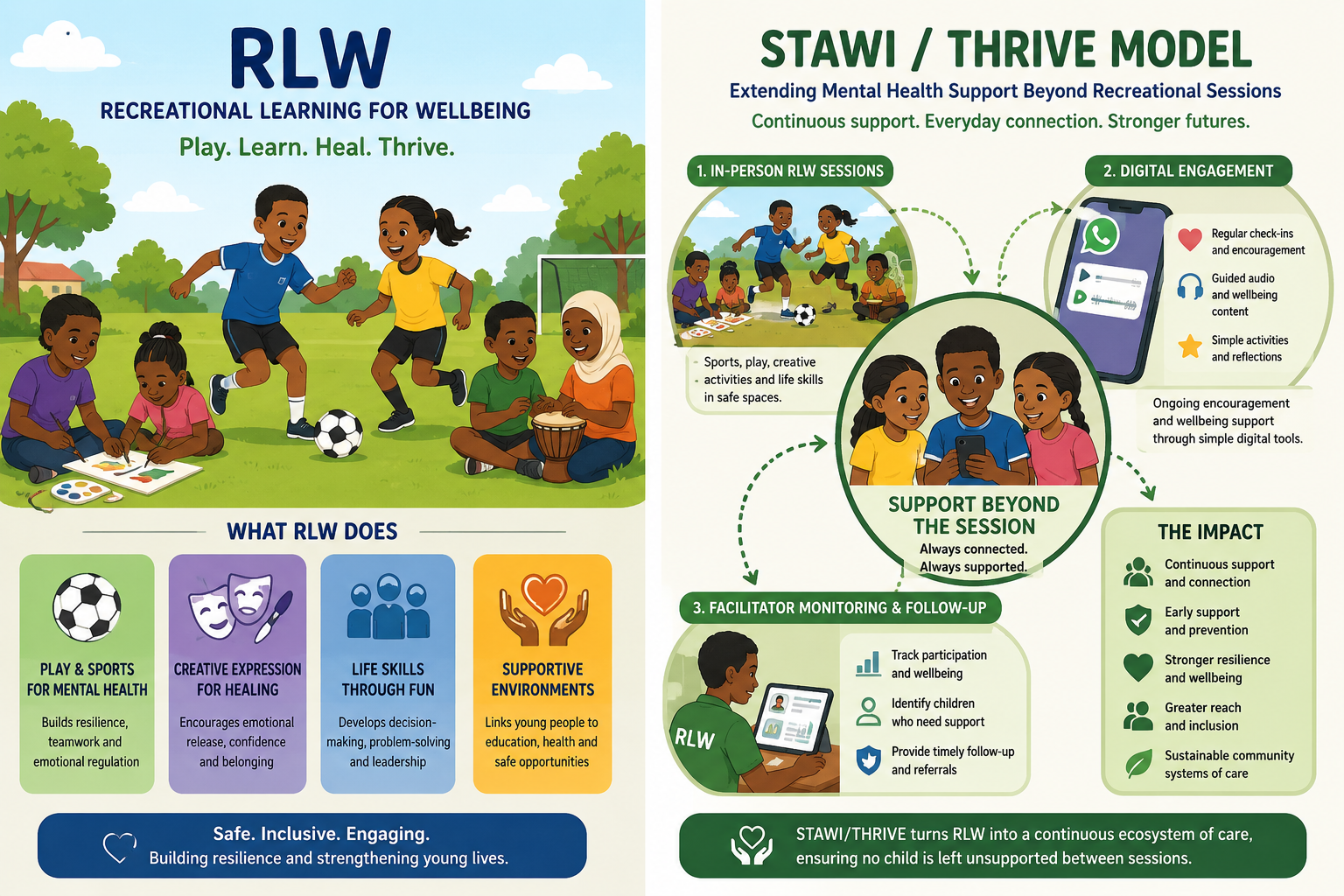
Recreational Learning for Wellbeing (RLW) is Life Restoration’s signature approach that combines fun, play-based activities and sports with structured learning to promote positive mental health among vulnerable children and adolescents. By embedding mental health education and life skills into recreation, RLW makes wellbeing approachable, stigma-free, and enjoyable.
🏃♂️ Play for Mental Health
Sports and games that build resilience, teamwork, and coping skills.
🎨 Creative Healing
Arts, storytelling, and music as tools for expression and recovery.
🌱 Life Skills for Growth
Interactive learning to strengthen decision-making, problem-solving, and relationships.
🏡 Supportive Environments
Address systemic challenges (ie. injustices and inequities) that continue to undermine mental health and emotional wellbeing among vulnerable children and adolescents. These challenges include 1. Poverty and Economic Insecurity 2. Education Inequity 3. Unsafe, Unsupportive and Climate-Vulnerable Environments, 4. Inequality and Social Exclusion.
📢 Advocacy & Awareness
Breaking stigma and building a culture that values mental health.
📱 The “Stawi (Thrive)” Hybrid Model
The Stawi/Thrive Model is a hybrid, community-based mental health support system that expands the reach of Recreational Learning for Wellbeing (RLW) through ongoing engagement, simple digital tools, and continuous community connection.
The model is designed to ensure that mental health support remains accessible, consistent, and human-centered beyond recreational sessions.
At its core, Stawi/Thrive model strengthens the RLW experience by connecting in-person wellbeing activities with everyday emotional support and follow-up.
- Physical Sessions: The core of the model remains the physical RLW sessions, where young people participate in sports, play, and creative activities to build emotional resilience, life skills, and positive relationships in a safe environment.
- Digital Reinforcement: This is then reinforced through ongoing engagement via simple digital tools such as WhatsApp, where participants receive regular check-ins, encouragement, and simple wellbeing activities, as well as audio content that delivers guided support and relatable stories in a low-cost, inclusive format.
- Monitoring & Care: At the same time, facilitators use a basic digital tracking system to monitor participation and wellbeing trends, enabling timely support where needed.
Rather than relying on complex technology, Stawi at this stage is designed to be simple, scalable, and human-centered, using familiar tools to extend mental health support beyond physical sessions into everyday life and the wider community.
🧩 How the Stawi/Thrive Model Works
1. In-Person RLW Sessions
Children and adolescents participate in structured recreational learning activities including:
- Football for resilience and teamwork
- Mind-focus games for emotional regulation and stress management
- Arts, storytelling, music, and creative expression
- Life skills and peer-support activities
These sessions create safe spaces where young people build confidence, relationships, and emotional resilience.
2. Continuous Digital Engagement
To maintain connection and encouragement between sessions, participants receive:
- WhatsApp check-ins and wellbeing messages
- Guided audio content and relatable stories
- Mobile App
- Simple mental wellness activities and reflections
- Encouragement that reinforces positive coping skills
This low-cost approach helps extend support into homes and communities using familiar and accessible tools.
3. Facilitator Support and Monitoring
Facilitators use simple digital tracking tools to:
- Monitor participation and wellbeing trends
- Identify children who may need additional support
- Strengthen follow-up and responsive care
This allows support to remain proactive, community-centered, and adaptable.
✨ Why the Stawi/Thrive Model Matters
The Stawi/Thrive Model transforms RLW from a series of activities into a continuous support ecosystem for children and adolescents.
By combining recreation, relationships, and accessible digital engagement, the model:
- Extends mental health support beyond physical spaces
- Strengthens consistency and connection
- Increases accessibility for vulnerable young people
- Encourages early support and prevention
- Builds community-based systems of care and resilience
Through Stawi/Thrive, Life Restoration creates a scalable and sustainable pathway for promoting mental wellbeing in communities where access to formal mental health services remains limited.
Difference Between RLW Model and Stawi/Thrive Model:
| RLW | Stawi/Thrive |
| Core intervention approach | Extension/support ecosystem |
| Recreational learning sessions | Continuous engagement & follow-up |
| Builds resilience | Sustains and reinforces resilience |
| In-person activities | Hybrid community + digital support |
| Session delivery | Continuity of care |
✨ The Impact: Why RLW?
- ✓
Breaks stigma around mental health by approaching it through play. - ✓
Accessible – no special equipment needed, adaptable to schools, communities, or sports grounds. - ✓
Inclusive – reaches girls, boys, children with disabilities, and marginalized groups. - ✓
Evidence-informed – grounded in psychology, child protection, and social learning.
By placing mental health at the center while actively responding to the injustices and inequities that undermine it, Life Restoration restores hope, dignity, and equal opportunity for children and adolescents to thrive.
How Our System Works